


Blog
Acupressure Massage for Angioneurotic Edema

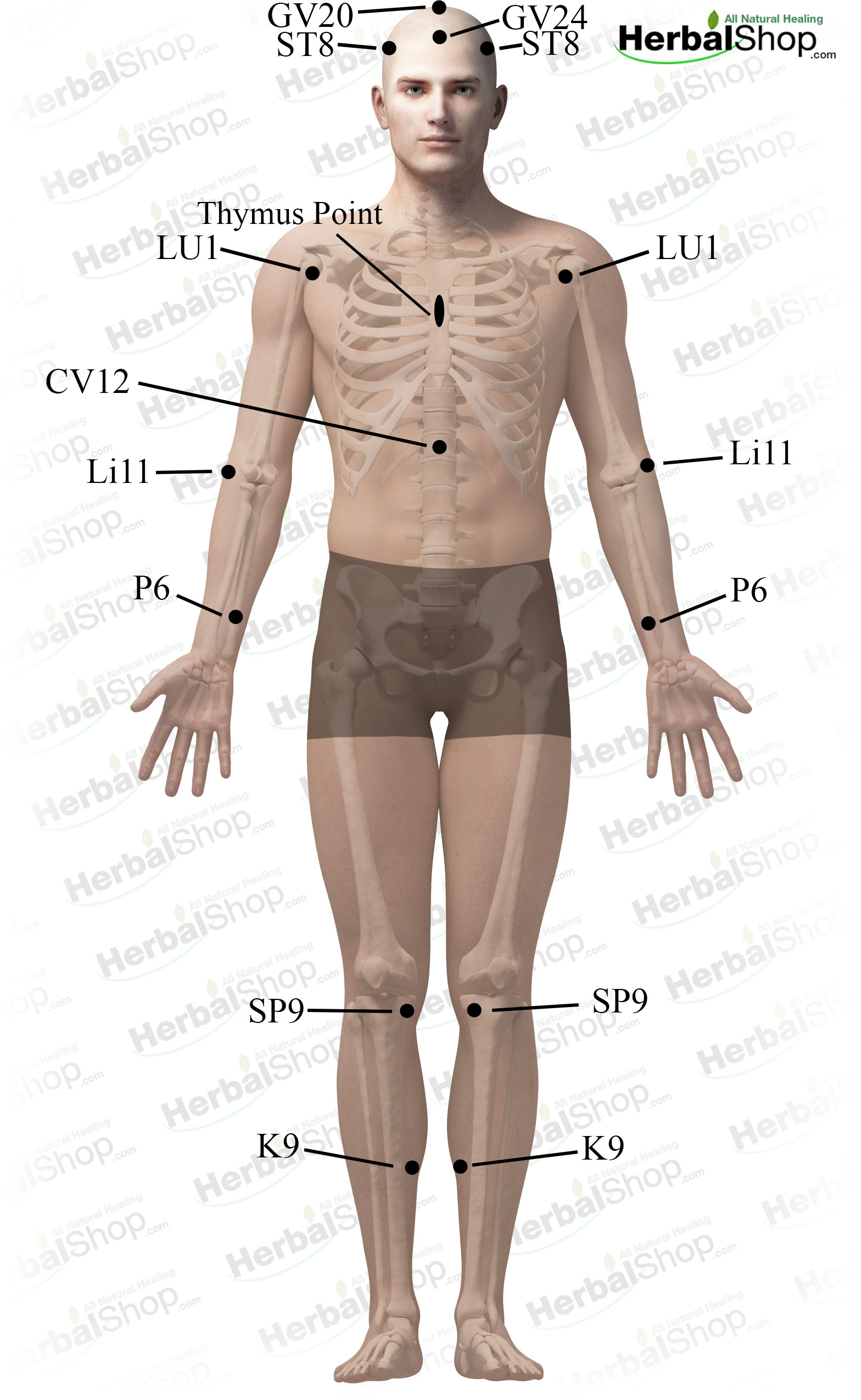
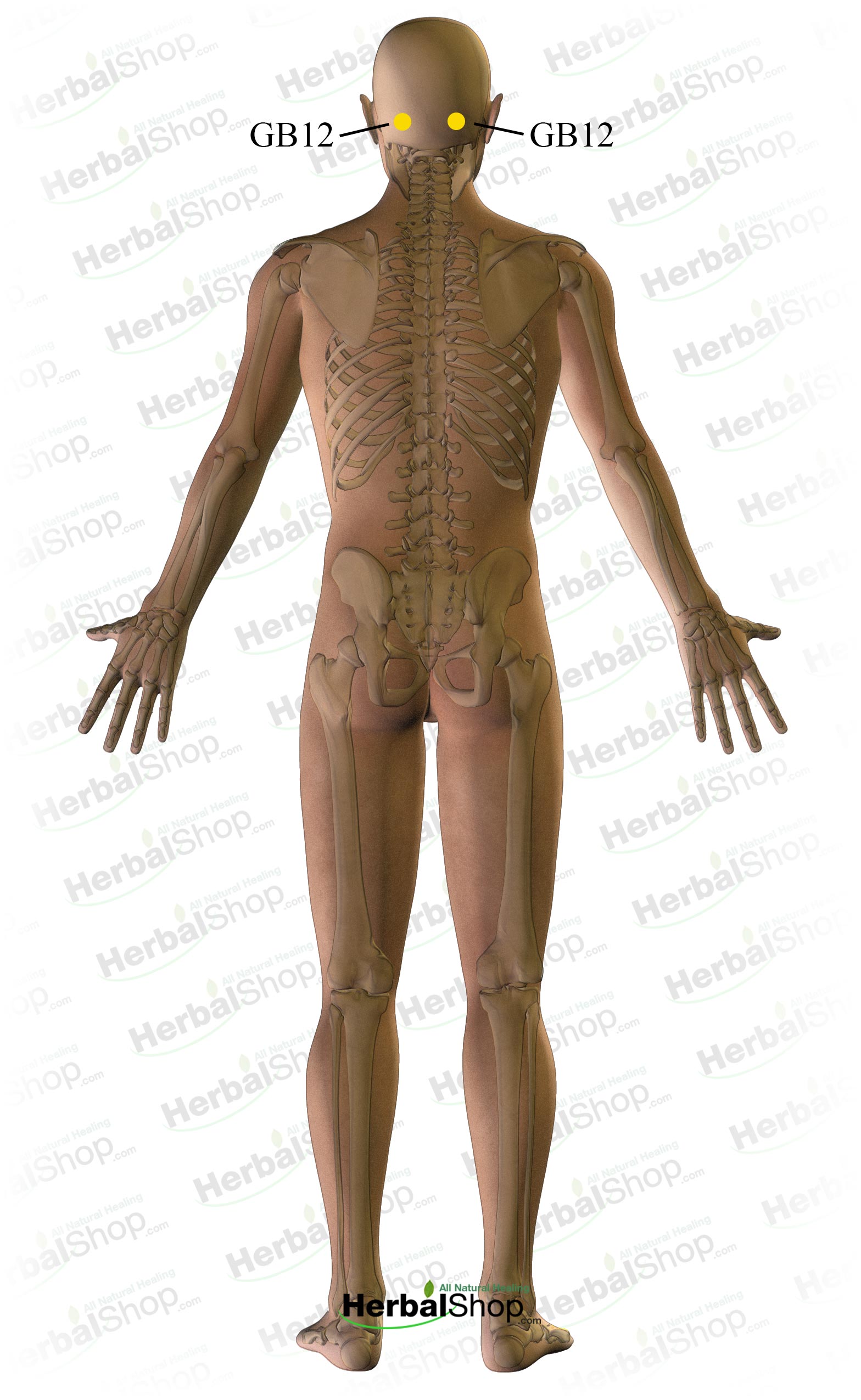 These are the acupressure points for angioneurotic edema. Working on these points can help you get better faster. You do not have to use all of these points. Using just one or two of them whenever you have a free hand can be effective.
Acupressure Point Thymus point
Location: beginning from the lower border of the supraclavicular fossa and extends to the upper border of the xyphoid process of the sternum.
Traditionally used for: immune disorders, low immunity, epstein-barr virus diseases, frequent colds, frequent viral infections, constant allergic reactions, long term sickness, chronic fatigue syndrome, blood disorders, spleen disorders, platelet imbalance, immature blood cell production, bone marrow diseases.Acupressure Point LU1 — Zhong Fu
Chinese Name: 中 府
Location: in the depression below the acromial extremity of the clavicle, 8 finger width lateral to the midline. On the outside edge of the rib cage, three finger-width below the clavicle.
Traditionally used for: shortness of breath, upper respiratory disorders, cough, asthma, pain in the chest, pain in the shoulder and back, fullness in the chest, bronchitis, postnasal drip.Acupressure Point K9 — Zhu Bin
Chinese Name: 築賓
Location: at the lower end of the muscle gastrocnemius in the medial aspect, 7 finger width above the tip of the medial malleolus.
Traditionally used for: pain in the medial aspect of the leg, poor water metabolism, water retention, blood poisoning, high creatinine in the blood, high urea nitrogen, high sodium intake, syphilis, chemical toxemia, mental fog, poor memory.Acupressure Point SP9 — Yin Ling Quan
Chinese Name: 陰陵泉
Location: On the inside of the leg, under the kneecap in the hallow just below the bulge. on the lower border of the medial condyle of the knee bone (tibia), in the depression between the posterior border of the tibia and gastrocnemius muscle.
Traditionally used for: abdominal distention, edema, water retention, incontinence of urine, difficulty urinating, not producing enough urine, pain of the external genitalia, insomnia, painful intercourse, low libido in male or female.Acupressure Point P6 — Nei Guan
Chinese Name: 內關
Location: three finger width above the wrist crease on the palmar side.
Traditionally used for: palpitation, vomiting, chest pains-emotional and physical, nausea, to decrease appetite, to calm down, decrease panic attacks, to stop smoking, addictions to alcohol, food and drugs, poor memory, to promote yawning.Acupressure Point LI11 — Qu Chi
Chinese Name: 曲池
Location: On the top, outer end of the elbow crease. bend your arm, press your thumb into the hollow located on the top, outer end of the elbow crease, directly above the elbow, between the elbow joint (below) and the muscle (above).
Traditionally used for: food allergy, hives, vomiting, diarrhea, dysentery, fever, sore throat, pain in the elbow and arm, tennis elbow, particularly inflamed skin disorders (such as hives and rashes), itching, fevers.Acupressure Point CV12 — Zhong Wan
Chinese Name: 中脘
Location: midway between the belly button and the bottom of the breastbone. On the midline of the abdomen, 5 finger width above the belly button.
Traditionally used for: acute abdominal pain, pain due to overeating, gastric pain, sour stomach, belching, regurgitation, vomiting, diarrhea, dysentery, distention of the abdomen due to flatulence, hiatal hernia.Acupressure Point GB12 — Wan Gu
Chinese Name: 完骨
Location: in the depression below the mastoid process.
Traditionally used for: headache, insomnia, pain and stiffness of the neck, swelling of the cheek, toothache, shortness of breathCaution: You should consult with a healthcare professional before practicing Acupressure or starting any diet, exercise, Chinese herbs or other supplementation programs.
Acupressure is self-care, not a replacement for diagnosis or treatment. Stop if you feel sharp pain, numbness or dizziness. Pregnant or trying to conceive? Skip LI4, SP6, GB21, BL60 and BL67 unless your practitioner directs it. Get medical care first for chest pain, sudden weakness, fainting, heavy bleeding, or a high fever.
