


Blog
Acupressure for Itchy, Dry Skin

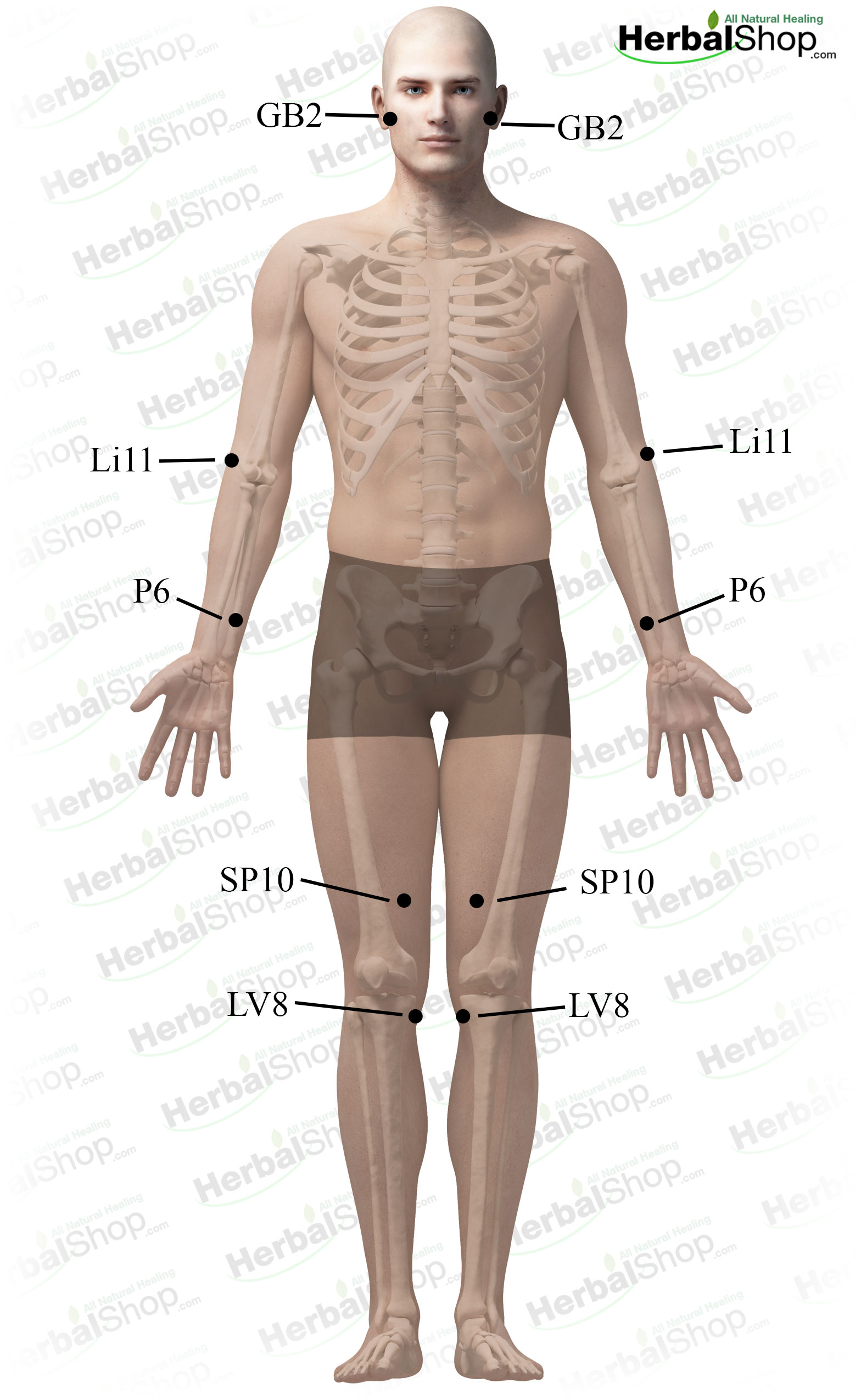
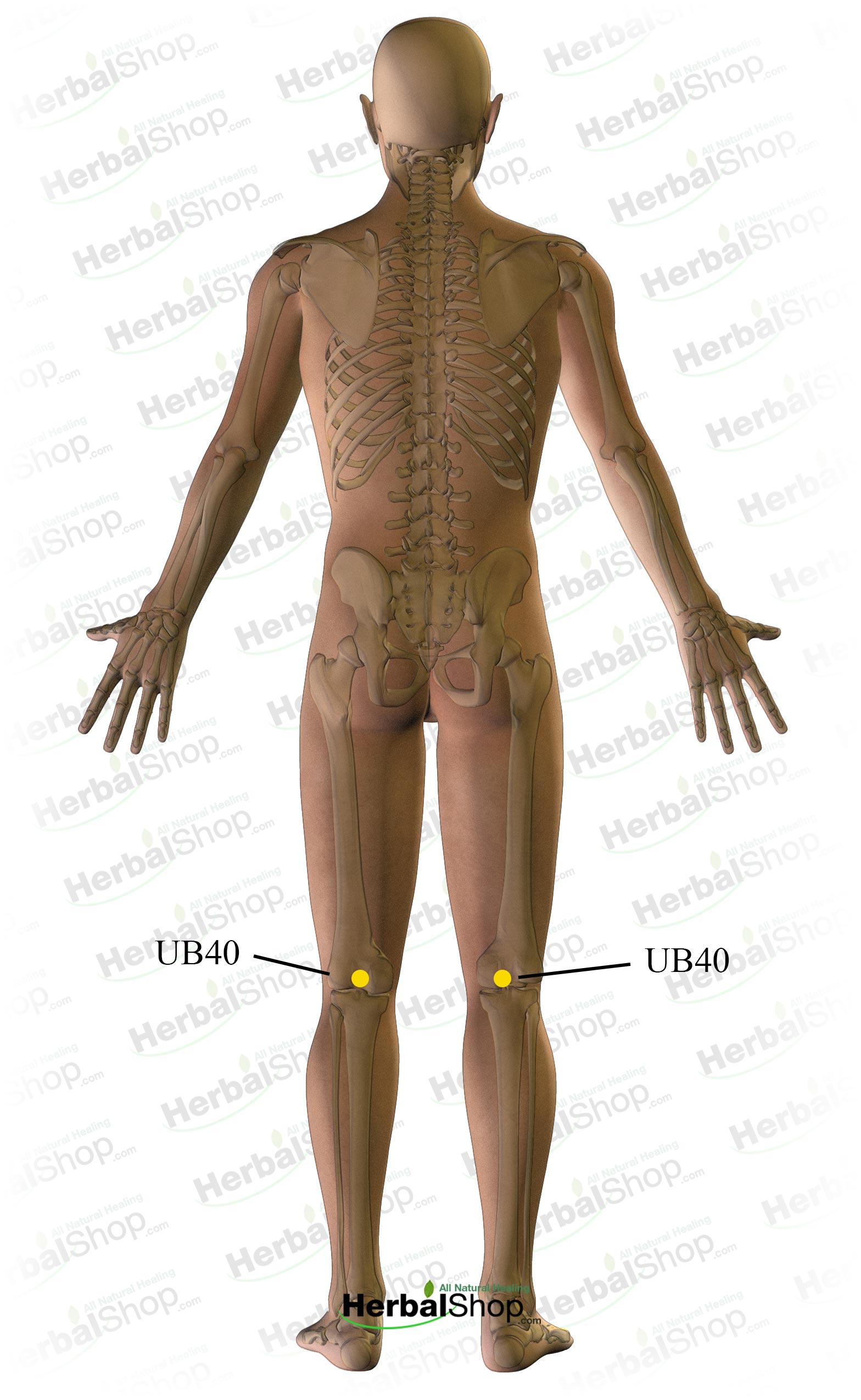 Here are the acupressure points traditionally used for itchy, dry skin. Use gentle, regular pressure, and give it time. You do not have to use all of these points. Using just one or two of them whenever you have a free hand can be effective.
Acupressure Point SP10 — Xue Hai
Chinese Name: 隱白
Location: when the knee is flexed, 3 finger width above the superior border of the patella, on the medial side of the thigh. Feel for pain or tenderness at the spot.
Traditionally used for: uterine bleeding, irregular menstruation, painful menstrual periods, premenstrual symptoms, absence of periods in fertile women without pregnancy, skin disorders, eczema, hives, sores in the mouth, cold sores, sea food poisonng, acne, boils, carbuncles, furuncles etc. On the skin, anywhere in the body, pain in the knee, pain in the medial part of the thigh.
Acupressure Point LV8 — Qu Quan
Chinese Name: 曲泉
Location: on the medial side of the knee joint, posterior to the medial condyle of the tibia.
Traditionally used for: lower abdominal pain, hiatal hernia, pain in the extremities, pain all over the body, dysuria, pruritus, pain in the external genitalia, arthritis of the knee, PMS, psoriasis, skin problems, to produce sweat, insomnia, low mood, anxiety.
Acupressure Point UB40 — Wei Zhong
Chinese Name: 委中
Location: midpoint of the transverse crease of the popliteal fossa, between the tendons of muscle biceps femoris and muscle semitendinosus.
Traditionally used for: lower back pain, abdominal pain, vomiting, diarrhea, viral infection, bacterial infection, arthritis, fever, falling hair, falling eyebrow, pain in the lower extremities, sciatic neuralgia.
Acupressure Point GB2 — Ting Hui
Chinese Name: 聽會
Location: in the depression half finger-width below Si9.
Traditionally used for: deafness, tinnitus, toothache, t.m.j. Pain.
Acupressure Point LI11 — Qu Chi
Chinese Name: 曲池
Location: On the top, outer end of the elbow crease. bend your arm, press your thumb into the hollow located on the top, outer end of the elbow crease, directly above the elbow, between the elbow joint (below) and the muscle (above).
Traditionally used for: food allergy, hives, vomiting, diarrhea, dysentery, fever, sore throat, pain in the elbow and arm, tennis elbow, particularly inflamed skin disorders (such as hives and rashes), itching, fevers.
Acupressure Point P6 — Nei Guan
Chinese Name: 內關
Location: three finger width above the wrist crease on the palmar side.
Traditionally used for: palpitation, vomiting, chest pains-emotional and physical, nausea, to decrease appetite, to calm down, decrease panic attacks, to stop smoking, addictions to alcohol, food and drugs, poor memory, to promote yawning.
Caution: You should consult with a healthcare professional before practicing Acupressure or starting any diet, exercise, Chinese herbs or other supplementation programs.
Acupressure is self-care, not a replacement for diagnosis or treatment. Stop if you feel sharp pain, numbness or dizziness. Pregnant or trying to conceive? Skip LI4, SP6, GB21, BL60 and BL67 unless your practitioner directs it. Get medical care first for chest pain, sudden weakness, fainting, heavy bleeding, or a high fever.
